
Plan the timing around the tasks that must continue. A requested transfer date should be distinguished from a confirmed visit and a tested active line. Keep an alternative for essential work until the new location is functioning.
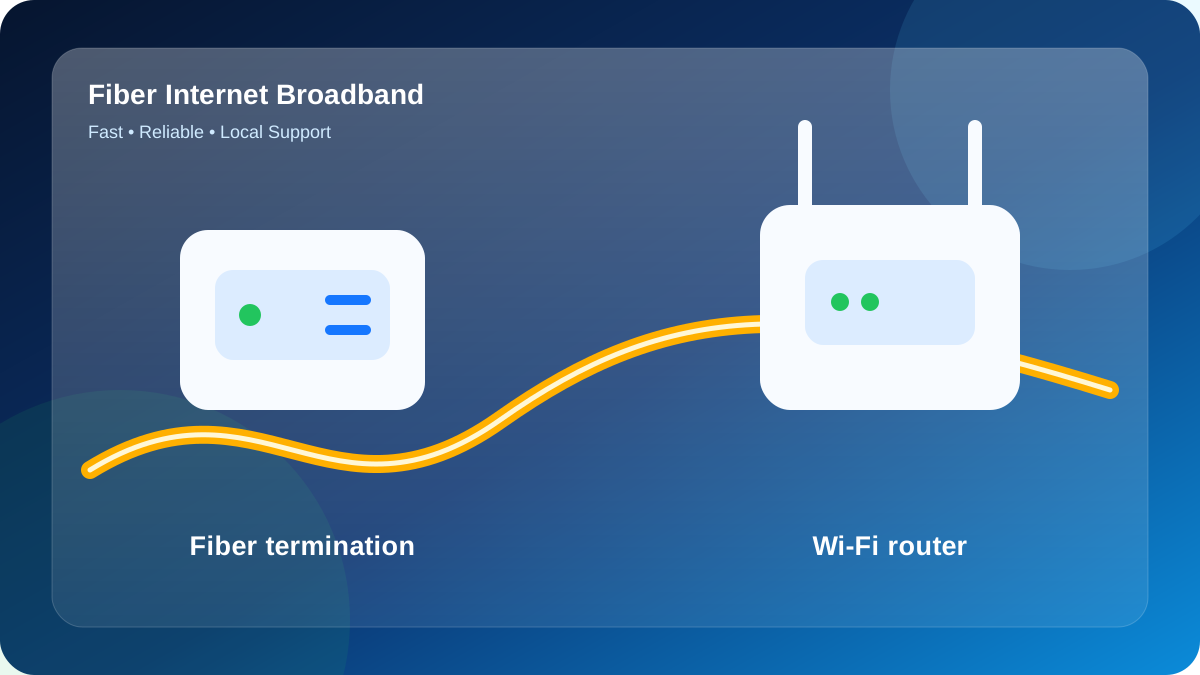
Planning your connection in Goel Apartment, Saidulajab
For an apartment connection, begin with the route from the building's common area to the individual flat. Find out who can approve that route and who will provide access on the installation day. Permission for shared spaces and permission inside the flat may involve different people.
Choose the router position around where people use the connection, rather than automatically placing it at the nearest entry point. Doors, walls and the shape of the flat can affect Wi-Fi. Identify the work desk, television and other important locations before the equipment is fixed in place.
Make the installation fit the tenancy
Before the visit, describe the intended cable path and any areas that require permission. Shared corridors, terraces, shafts and rented interiors can involve different access arrangements. Resolve those practical questions alongside the booking so the technician can assess a usable route.
Check the power point and the space for the supplied equipment. Avoid deciding the router position only after the fibre has been fixed. The installation should support the rooms and devices you intend to use, with any additional cabling discussed in advance.
Example: the previous resident left equipment behind
Ask for the model and features of the proposed router. Confirm its compatibility with the service and the devices that will use it. Terms such as dual-band or high-speed are useful only when the actual equipment and intended setup are understood.
Keep equipment payments separate from the service subscription. Where refundable security applies, retain the amount, return conditions and acknowledgement process. The end of the broadband account and the return of hardware may require separate steps.
How a technician makes a fiber joint
Agree how work outside the standard scope will be handled. This may include an alternative route, added equipment or finishing work that is not part of ordinary cable fixing. A clear explanation and approval should come before an unexpected additional charge.
- Agree where the fibre will enter and terminate.
- Choose a practical router position and power point.
- Arrange any owner or building access permission.
- Confirm which work is included in the installation.
- Ask for approval of extra charges before additional work.
Make sure an authorised person can attend the visit and provide the necessary access. Give the installer a reachable contact and mention any time restrictions. The appointment is more useful when both the proposed route and the intended equipment location can be reviewed on site.
Tools and equipment used for installation and repair
| Equipment | Purpose |
|---|---|
| Cable and fiber strippers; aramid scissors | Prepare the jacket, strength members and coated fiber without damaging the glass. |
| Approved cleaner, lint-free wipes and precision cleaver | Prepare clean, correctly cleaved fiber ends for joining. |
| Fusion splicer and sleeve heater | Align and join compatible fibers, then protect the splice. |
| Protectors, splice tray, closure and cable fixings | Keep the joint supported and protected for its indoor or outdoor location. |
| Optical power meter and suitable test source | Measure optical power or link loss with compatible wavelengths and adapters. |
| Visual fault locator; OTDR when appropriate | Help trace continuity issues or locate optical events. Not every short drop repair needs an OTDR. |
| ONT, router, Ethernet cable and test device | Activate the service and check the usable connection after optical work. |
| Eye protection and fiber-scrap container | Control the hazards from small glass fragments during preparation. |
At activation, identify the equipment supplied and keep the handover record. Confirm how to reach support and what to do if the connection does not work as expected after the technician leaves. Also retain any ownership or refundable-security conditions. Related information: FOA installer toolkit reference fusion-splicing guide
Installation and fiber-repair timing
Check the practical result before declaring the installation complete. Try the important rooms and an appropriate wired device where available. Record any unresolved coverage issue so its proposed remedy is agreed rather than assumed to be included automatically.
An installation booking should start with a route the technician can assess. Supply the building or house number, floor, entry restrictions and a reliable landmark. A map pin is useful alongside those details, but it does not describe how a cable can safely reach the intended room.
Fiber-break help for Airtel, Jio, Excitel and ACT connections
Contact Fiber Internet on 9990881098 with the account reference or exact installation address and a concise description of the issue. Include when it began and whether it affects one device, one room or the whole connection. Those facts help determine the next check.
Request a quotation that shows the service period, subscription, applicable taxes and any equipment or installation payment separately. This is the clearest way to understand what is due now and what will recur later. Confirm the final amount before treating a displayed monthly price as a complete order.
Questions before booking
Can the previous tenant's fiber be reused?
Request feasibility for the new address and confirm the relocation, billing and equipment conditions before moving the connection. Nearby premises can require a different route. Test the new installation before relying on it for essential work.
Ask for an address check or repair assessment
For Saidulajab, give the exact building or house number, unit, floor and a useful landmark. Include a map pin if requested, but keep the written address with it. These details help the team review the actual premises instead of making an assumption from the locality name. Related information: 9990881098 message Fiber Internet
Decide from the checks you have made
Make the next decision from the evidence already collected. If the address has not been confirmed, resolve feasibility first. If the wired connection is healthy but one room struggles, review coverage. If simultaneous demand is the constraint, discuss capacity with the provider.